
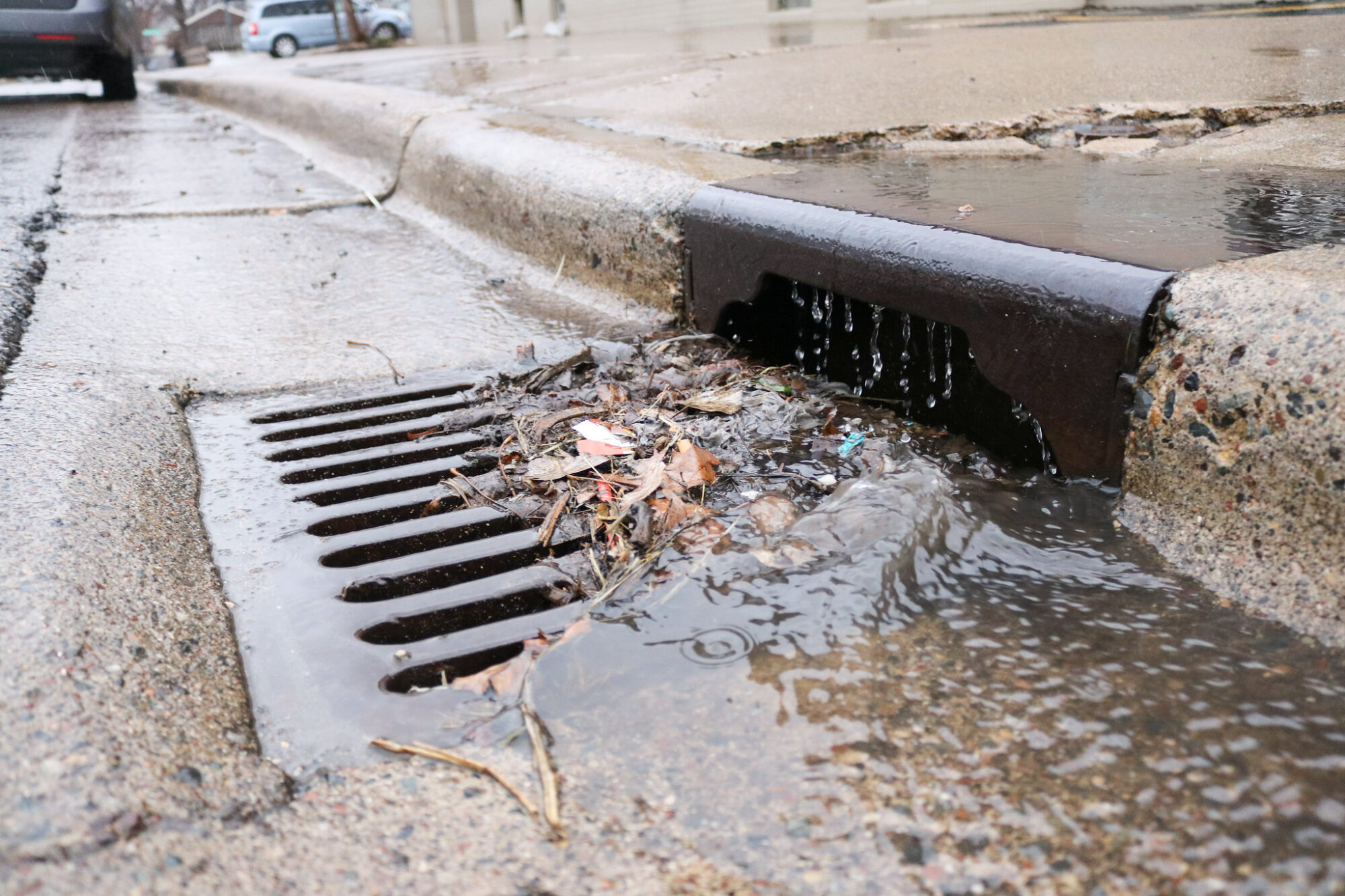
This month, many parts of Southern California saw their first significant rain event. Long-time residents are often relieved to see these huge downpours. The water refreshes our landscape and feels like a final turn into Fall after long hot summer months. While we all get the rare opportunity to use our umbrellas, the first autumn rains come with safety concerns.
In the dry season, streets and rooftops act as catchers for pollutants which accumulate over time. After spreading out and building up, the first big storm brings a surge of contaminated runoff into gutters and storm drains. This process, known as the first flush, is concentrated in the early phase of the premier storm. The initial runoff, especially in the first few minutes, contains disproportionately high concentrations of animal waste, trash, pesticides from landscaping, and toxic metals coming off cars. Every single pollutant shows the trend of rising stormwater concentration alongside a rising water flow.
The pattern of the first flush can be quantified in the 40/20 rule. Over 40 percent of pollutant load occurs in the first 20 percent of runoff volume1. Like shaking out an old rug, the first shakes release the most dust. The strength of the first flush varies depending on the length of the preceding dry period and characteristics of the region.
What’s the threat of urban runoff?
Urban runoff poses a serious threat to environmental and public health. California’s stormwater flows untreated into creeks, rivers, and, eventually, the ocean, and with it, a toxic mix of debris and bacteria. The pollutants from urban runoff degrade water quality and harm aquatic life. Some pollutants have serious health risks associated with them.
Nutrient-rich runoff triggers the algal blooms that make areas of California’s coast a periodic deadzone. This summer, the coast experienced an especially severe year. After January’s fires and increased pollution from the Tijuana River, the “perfect storm” of polluted runoff encouraged the bloom. These nutrients are eagerly consumed by Pseudo-nitzschia, the genus of plankton that kills marine life via toxins. Many marine mammals and seabirds were poisoned as a result of the contents of urban runoff.
Additionally, increased pollutant levels create public safety hazards for beachgoers along the coast. For this reason, it is safest to avoid the water and monitor beach advisories after rain events. Not including the emergence of shortfalls in public and social safety networks, big storms highlight disproportionate effects of stormwater planning and permitting on low-income communities. Ensuring that all communities are protected from the hazards of polluted runoff means rethinking how we design stormwater systems.
How can we minimize the harms of urban runoff?
- Encourage the issuing of permits that require cities to address pollution in stormwater, including the refinement of the “trash capture” definition and progress in the trash amendments timeline.
- Fix your leaky car. Slow but steady oil drips from millions of cars adds up.
- Pick up your litter. Use doggy bags to collect animal waste and stop larger litter from making it to the ocean .
- Use appropriate landscaping choices for the area. Planting native communities reduces fertilizer, pesticide, and water use.
Natalie McClure is an intern at CCKA fighting for swimmable, fishable, and drinkable waters for all and is currently a student at USC.
- Maniquiz-Redillas, M., Robles, M. E., Cruz, G., Reyes, N. J., & Kim, L.-H. (2022). First Flush Stormwater Runoff in Urban Catchments: A Bibliometric and Comprehensive Review. Hydrology, 9(4), 63. https://doi.org/10.3390/hydrology9040063 ↩︎