
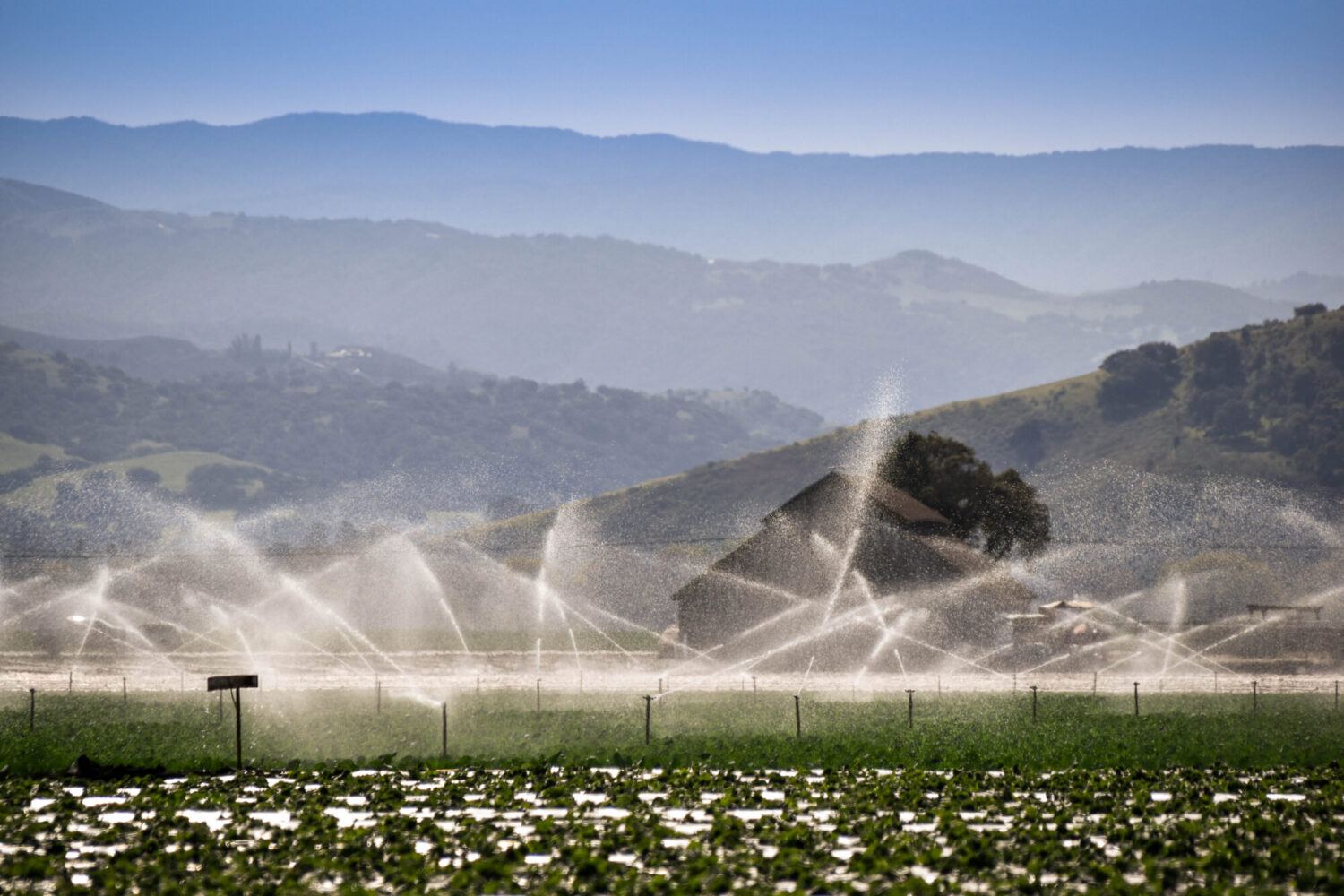
Much of the leafy greens on America’s dinner tables are grown on California’s Central Coast. But for decades, irrigated agricultural operations have polluted the region’s groundwater and degraded rivers, streams, and coastal waters. When growers apply more nitrogen fertilizer than their crops need, the excess seeps into groundwater as nitrate, and communities in the region rely on that groundwater for 90% of their drinking water. Drinking nitrate-contaminated water can cause serious health problems, including birth defects and potentially deadly methemoglobinemia in infants (“blue baby syndrome”) and cancer and thyroid disease in adults. Communities of color and low-income communities in the Central Coast are hit hardest.
Since 2004, the Central Coast Regional Water Quality Control Board (Regional Board) has adopted a series of orders to try to control nitrate and pesticide pollution from farms. None of them solved the problem. The pollution has continued, and in some areas has gotten worse. In 2021, (mostly) recognizing the need for a new approach, the Regional Board adopted new rules known as “Ag Order 4.0.”
Ag Order 4.0 was a historic step toward cleaning up the region’s groundwater. For the first time, the Regional Board set enforceable limits on how much fertilizer growers could use. But in 2023, the State Water Resources Control Board (State Board) struck down those limits and required the Regional Board to approve a new order without them. That forced the Regional Board to put on hold the very part of Ag Order 4.0 that set it apart from earlier, failed efforts. The State Board did not even discuss the environmental justice implications of its changes – despite the clear outsized impact of nitrate pollution on low-income communities of color.
Even before the State Board stepped in, Ag Order 4.0 failed to meaningfully protect the Central Coast’s rivers and streams. Throughout the development of Ag Order 4.0, Regional Board staff emphasized the importance of healthy riparian areas – the vegetated land along creeks and rivers – for filtering pollutants from water bodies, providing wildlife habitat, and protecting fish and other aquatic life. But at the last minute, the Regional Board dropped its proposed requirements to keep farming set back from waterways, which would have helped protect and restore these areas. It did so without explaining how maintaining the status quo would clean up the region’s waters.
So in 2023, California Coastkeeper Alliance (CCKA), along with rural Latino community and farmworker groups, environmental organizations, and commercial and recreational fishing organizations, took the Water Boards to court. Our lawsuit challenges the State Board’s decision to remove the groundwater limits from Ag Order 4.0 and the Regional Board’s decision to drop protections for rivers and streams.
Earlier this month, the court listened to oral argument. Now, CCKA and the other parties are waiting for the judge’s decision. The outcome will determine whether Ag Order 4.0 includes enforceable limits on fertilizer and real protections for rivers and streams.

Staff Attorney Madi Richards advances statewide policies that protect water quality and access to clean water throughout California