
Last week, a federal appeals court quietly delivered the clearest warning yet about the future of clean water in California. It threw out a jury verdict finding that a Riverside County company violated its clean water permit more than 12,000 times – and erased $1.8 million in penalties – not because the company was innocent, but because the U.S. Supreme Court changed the rules midstream.
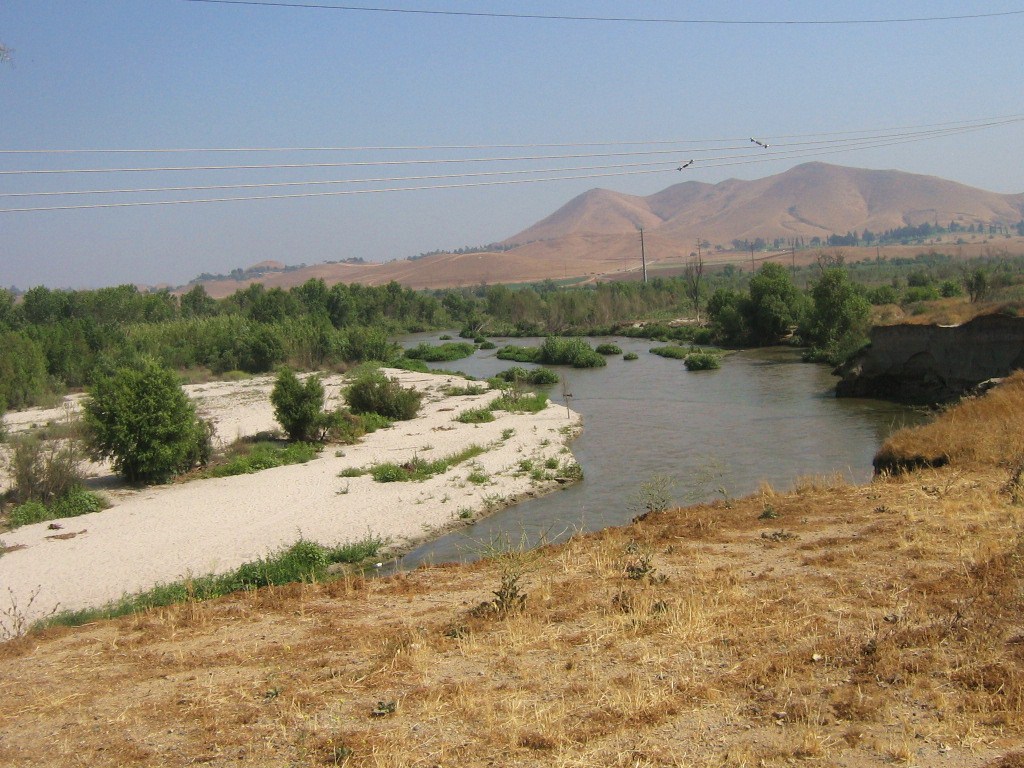
The case, Inland Empire Waterkeeper v. Corona Clay Co., has been running since 2018. A clay-recycling facility near Temescal Creek, a 22-mile stream that feeds the Santa Ana River, enrolled under California’s industrial stormwater permit in 2014. When community groups sued to enforce that permit, the company agreed – through two full trials – that Temescal Creek was protected by the Clean Water Act. A jury heard the evidence and found thousands of violations of the permit’s basic requirements: pollution controls, monitoring, reporting.
Then came Sackett v. EPA, the 2023 Supreme Court decision that stripped federal protection from waters that aren’t “relatively permanent.” The company reversed course, arguing for the first time that the creek was never federally protected at all. And the Ninth Circuit agreed the question must be retried – a third trial, over whether the creek counts as a “water of the United States.”
Read that again. A company can hold a clean water permit for ten years, concede in court – twice – that the water it affects is protected, get found liable by a jury, and then walk it all back on a jurisdictional technicality decided 3,000 miles away.
This is not an isolated case. It is a playbook. And it is about to be copied across California.
Here is why. Most of Southern California’s rivers and streams flow seasonally. They roar in winter and run dry by summer – that is simply how our watersheds work. For nearly two decades, federal courts treated these seasonal tributaries as protected because they feed the rivers, bays and beaches we all share. Last week’s decision signals that presumption is gone. The court went out of its way to say that the precedent protecting seasonal streams is “difficult to square” with Sackett.
The waters don’t change when the legal label does. Temescal Creek still carries whatever washes off industrial yards down to the Santa Ana River, which flows to the coast in Huntington Beach and Newport Beach where millions of people swim. The only thing that changes is whether anyone can be held accountable for polluting it.
California has a chance to close this door before it swings wide open. The fix comes down to one commonsense principle: if a discharge was covered by the Clean Water Act before the Supreme Court intervened, California law should keep the same protections in place. Same waters, same rules, same standards Californians have relied on for more than 50 years. When a polluter tries to trade its federal permit for a weaker state one, the state permit must carry the same requirements it was trying to escape.
Fifty years ago, California’s water quality law helped inspire the Clean Water Act itself. Every state grappling with Sackett is now watching what we do next. Act decisively, and the company on Temescal Creek is the last one to find the exit. Act timidly, and it’s merely the first.

Executive Director Sean Bothwell leads CCKA’s initiatives to fight for swimmable, fishable, and drinkable waters for all Californians.