
Blueprint to Water Policy Header (3)

California’s water system is failing – and voters know it.

Communities are paying more for less reliable water. From skyrocketing water bills to unsafe drinking water, from collapsing fisheries to devastating floods, water is no longer an abstract policy issue – it is a kitchen table issue in California. Across regions and political lines, Californians consistently rank water reliability, affordability, and safety as a top-tier concern.

We need leadership that is willing to fix what is clearly broken. California Coastkeeper Alliance has developed a practical, actionable roadmap to deliver the climate-ready and equitable approach to water management that Californians demand.
1. Prioritize resilient local water supplies

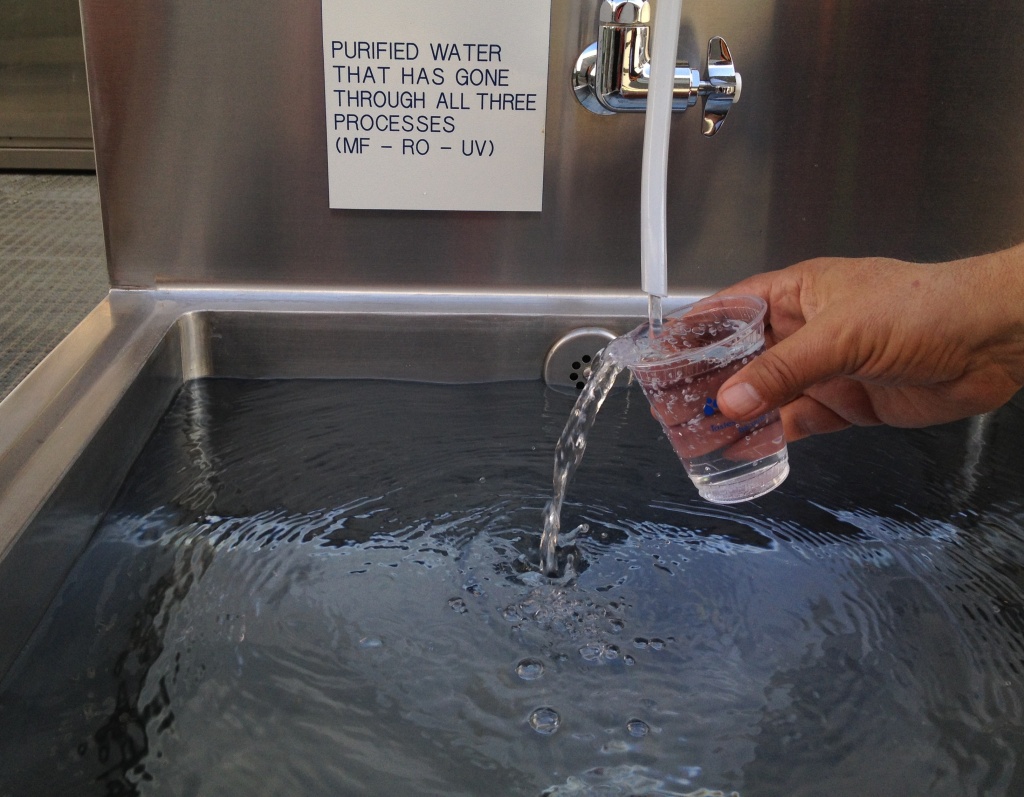
California needs to break from the past and invest in local water security. Stop doubling down on expensive, outdated supply projects. Prioritize recycling, stormwater capture, and groundwater recharge to deliver affordable, drought-proof water where people live.

Ensure water investments prioritize local resilience

Adopt policies to prioritize local investment in wastewater recycling, stormwater capture, water efficiency, and groundwater remediation before permitting more impactful options like ocean desalination, dams, and diversions.

Provide critical funding to facilitate the transition to local water

Advance a $15B Water Bond to invest in local, multi-benefit regional water resiliency projects.

Protect our waters from importation

Adopt plans that include science-based instream flow requirements that are designed to achieve endangered species recovery and protect instream beneficial uses. These instream flow requirements should prioritize historically over-diverted waters, including the Bay-Delta, the Colorado River, and Mono Lake/Owens Valley.

Provide safe and affordable drinking water

Set enforceable agricultural discharge limits for nitrates to protect drinking water in farmworker communities. Create a Low-Income Rate Assistance program to provide affordable drinking water to all Californians.

Implement our groundwater laws

Oversee progress toward sustainable groundwater management to ensure all basins are on track to meet the Sustainable Groundwater Management Act’s (SGMA) 2040/2042 deadlines. Ensure County oversight of groundwater pumping – independent of SGMA – to protect the public trust of local waterways. Modernize the state’s understanding of the groundwater-surface water connection with increased monitoring, modeling, and reporting.

California Water Quick-Facts

  • The water sector consumes 19% of California’s electricity and 30% of its natural gas.
  • 30,000 miles of California’s shores, streams, and rivers do not meet basic water quality standards.
  • Over 90% of California’s wetlands have been lost.
  • Over 80% of California’s native fish species are threatened, endangered, or extinct in parts of their range.
  • More than 1,400 dams choke California’s natural river systems and block access to >90% of historical salmon spawning habitat.
  • 1 million Californians are served by water systems that consistently fail to meet safe drinking water standards. About 700,000 Californians rely on unregulated drinking wells that are vulnerable to contamination and drought.
  • Low-income households can spend over 5% of income on water, far above federal affordability benchmarks.
  • California is one of the top five states nationally for flood risk, with atmospheric rivers posing multi-billion-dollar threats.

2. Strengthen and enforce water laws

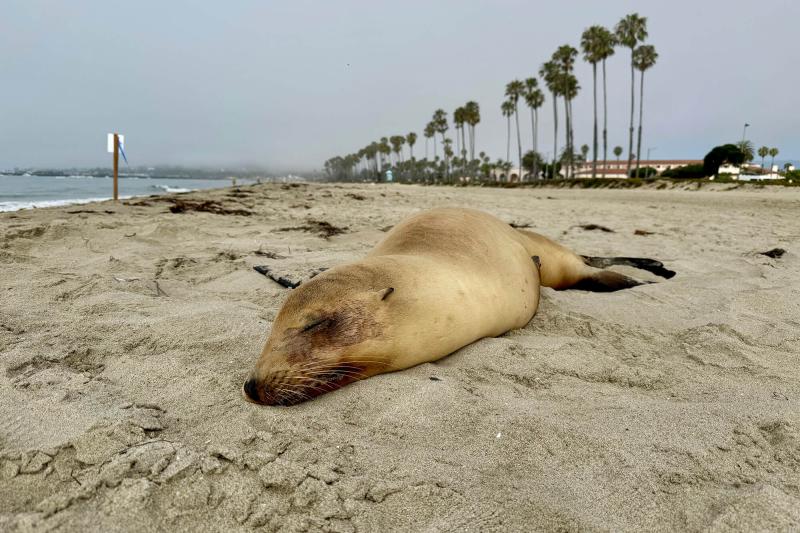
California sea lion stricken by the neurotoxin domoic acid from a harmful algal bloom in Santa Barbara County, California. Credit: Channel Islands Marine & Wildlife Institute via NOAA Fisheries.

Stand up for California’s coast and rivers by setting enforceable standards that restore fisheries, protect coastal communities, and confront pollution driving ocean acidification and ecosystem collapse. Invest now in floodplain restoration, forest health, and natural infrastructure that protects communities from billion-dollar disasters to get ahead of climate chaos.

Address past and emerging sources of pollution to California’s waters

  • Protect human health from emerging toxic chemicals – Rapidly develop water quality monitoring standards for emerging contaminants (e.g. PFAS, 6PPD, fire retardants), and develop new water quality standards for those contaminants, including phase out of PFAS products.
  • Address the Tijuana crisis – Advance/support legislation to allocate border crossing fee revenue to fund Tijuana River infrastructure and restoration projects, and coordinate with local government to address air pollution public health impacts affecting south San Diego County communities.
  • Elevate stormwater as a resource through public–private partnerships – Establish a statewide Commercial, Industrial, and Institutional Stormwater Permit that drives Clean Water Act compliance and incentivizes collaborative investment in green infrastructure to capture, treat, and reuse stormwater.
  • Green our schoolyards – Incorporate K–12 campuses into the state’s stormwater program. Create incentives for permittees to install nature-based solutions on school grounds that capture runoff, cool schoolyards to enhance learning, and create public greenspace in park-poor communities.

Safeguard California’s iconic coast and ocean from climate change and other threats

  • Combat coastal acidification and hypoxia – Establish enforceable statewide water quality standards that limit nutrient pollution from wastewater discharges and protect coastal ecosystems and communities.
  • Achieve 30×30 in our oceans – Create water quality protections (i.e. Areas of Special Biological Significance) for all Marine Protected Areas in the state.
  • Standup against new offshore oil – Protect against new and expanded federal offshore oil drilling along the California coast.

Protect and restore the state’s rivers, creeks, and lakes, and make them accessible to the public

  • Set healthy river flow requirements – Implement instream flow requirements for priority watersheds in the California Salmon Strategy that protect Tribal, recreational, and ecological uses. Requirements shall be sufficient to achieve recovery of endangered species and protect Tribal beneficial uses of instream flows.
  • Reconnect rivers to floodplains – Relocate or remove levees and create riparian setbacks to enhance flood protection, improve water quality & supply, create habitat, increase groundwater recharge, and help facilitate dechannelization.
  • Establish a statewide “Forest-to-Flows” program – Restore one million acres of priority headwater forests by 2035 to measurably increase late-season streamflow, improve instream habitat for native fish, and reduce catastrophic wildfire risk.
  • Make it “safe to swim” for all California communities – Create a freshwater beach access program to create more public access to freshwater areas and monitor these areas to protect public health.

3. Modernize California’s antiquated water governance

Fix a broken system of governance. Bring accountability to a fragmented water bureaucracy. Elevate environmental justice and Tribal leadership, and make polluters – not the public – pay for the damage they cause.

Strengthen environmental leadership in water governance

Reform Water Board appointments to ensure each Water Board has an environmental justice and/or Tribal representative and create a biological representative on the State Water Board by merging the two engineer seats.

Protect California’s values from federal attacks

Ensure California’s waters are protected from the Trump Administration by enshrining pre-existing clean water protections into state law (ex: Pre-Sackett WOTUS Rule, federal Clean Water Act and Endangered Species Act requirements & the Roadless Rule).

Recognize Tribal water rights

Correct historic inequities caused by state-sanctioned acts inflicted upon all California Native American Tribes by acknowledging Tribes were the first people to put water to a beneficial use for food and cultural practices in the state and thus establish instream water rights and tribal beneficial uses accordingly; Prioritize development of Tribal Beneficial Uses and support Tribal-led stewardship and co-management of rivers and watersheds.

Modernize the California Constitution (Proposition 218) to provide flexible water financing solutions

Support a constitutional amendment to allow water agencies to establish low-income ratepayer programs, to set water conservation pricing and to move stormwater into the utility exception.

Hold polluters accountable & make communities whole from pollution

Ensure clean water permits are enforceable; establish a robust enforcement strategy that includes enhancing citizen enforcement; make corporations pay their fair share of cleanup that includes re-investment to impacted communities.

Download the Blueprint to Climate-Ready Water Policy

Get a PDF version here.

Top